Understanding Different Learning Styles
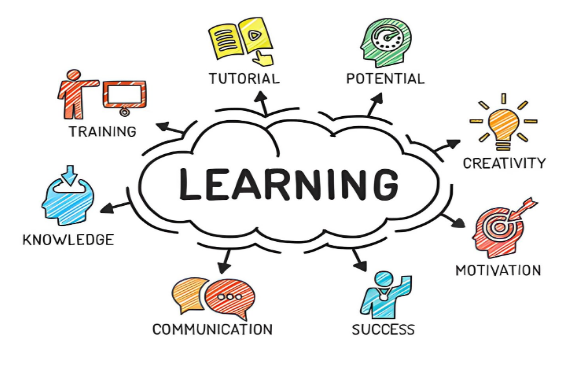
Learning is not one-size-fits-all. Every student, professional, or lifelong learner processes information in a slightly different way. Some X88 people remember best when they see diagrams, while others learn more effectively by listening, reading, writing, or doing hands-on activities. Understanding different learning styles can help learners choose better study strategies and help teachers create more engaging lessons.
Although researchers continue to debate whether people learn best only through one specific style, learning preferences still matter. When you know how you naturally engage with information, you can build stronger habits, improve focus, and make learning more enjoyable.
What Are Learning Styles?
Learning styles refer to the different ways people prefer to receive, understand, and remember information. The most common model is the VARK model, which includes four main learning styles: visual, auditory, reading/writing, and kinesthetic.
These styles are not strict categories. Many people use a combination of several learning methods depending on the subject, environment, or goal. For example, someone may prefer visual learning when studying geography but benefit from hands-on practice when learning a new skill like cooking or coding.
Understanding learning styles is useful because it encourages flexibility. Instead of relying on one study method, learners can experiment with different techniques to find what works best.
Visual Learners
Visual learners understand information best when it is presented through images, charts, diagrams, maps, and videos. They often remember what they see more easily than what they hear. Color coding, mind maps, and infographics can be especially helpful for this type of learner.
For example, a visual learner studying history might benefit from a timeline that shows major events in order. A student learning science may prefer labeled diagrams to explain body systems, chemical reactions, or ecosystems.
Study Tips for Visual Learners
Visual learners can improve their study sessions by using highlighters, drawing charts, watching educational videos, and creating flashcards with images. They may also benefit from organizing notes with headings, bullet points, and color-coded sections. Keeping a clean and visually organized workspace can also support better concentration.
Auditory Learners
Auditory learners prefer to learn through listening and speaking. They may remember information more effectively when it is explained out loud. Lectures, podcasts, discussions, and audio recordings are useful tools for auditory learners.
These learners often benefit from talking through ideas with classmates, teachers, or colleagues. They may enjoy group discussions and may find it helpful to explain concepts to someone else. Hearing themselves say information aloud can strengthen memory and understanding.
Study Tips for Auditory Learners
Auditory learners can record lessons, listen to audiobooks, join study groups, or read notes aloud. They may also use rhymes, songs, or verbal repetition to remember important details. If studying alone, explaining a topic as if teaching another person can be an effective strategy.
Reading and Writing Learners
Reading and writing learners prefer information presented in words. They often enjoy textbooks, articles, lists, essays, and written instructions. This learning style is common in traditional education settings because many school activities involve reading and written assignments.
People with this preference usually learn well by taking detailed notes, rewriting information in their own words, and making lists. They may also prefer written feedback rather than verbal explanations.
Study Tips for Reading and Writing Learners
Reading and writing learners should use textbooks, summaries, handouts, and online articles to support learning. Rewriting notes, creating outlines, and answering practice questions can help them retain information. Keeping a study journal is another useful method for reviewing ideas and tracking progress.
Kinesthetic Learners
Kinesthetic learners learn best through movement, touch, and hands-on experience. They often prefer doing an activity rather than only reading about it or listening to instructions. This style is common in subjects that involve practice, such as sports, art, science experiments, technology, and vocational training.
A kinesthetic learner may struggle to sit still for long periods. They may understand a concept better after building a model, performing a task, role-playing a situation, or using physical objects.
Study Tips for Kinesthetic Learners
Kinesthetic learners can benefit from experiments, practice exercises, simulations, and real-world examples. Taking short breaks, walking while reviewing notes, or using gestures to remember ideas may also help. When possible, they should connect lessons to practical activities.
Why Learning Styles Matter
Understanding different learning styles can improve communication between teachers and students, managers and employees, or parents and children. When educators use a variety of teaching methods, they make lessons more accessible and interesting for everyone.
For example, a teacher might explain a concept verbally, show a diagram, provide written notes, and include a hands-on activity. This approach supports different learning preferences while reinforcing the same information in multiple ways.
In the workplace, understanding learning styles can improve training programs. Some employees may prefer written manuals, while others need demonstrations or guided practice. Offering multiple formats can lead to better performance and confidence.
The Importance of Combining Learning Methods
While learning styles are helpful, it is important not to limit yourself to just one method. Research suggests that people often learn best when they use multiple approaches. This is called multimodal learning.
For instance, if you are learning a new language, you might read vocabulary lists, listen to native speakers, write sentences, and practice conversations. Combining visual, auditory, reading/writing, and kinesthetic techniques creates stronger connections in the brain.
The best learners are flexible. They adjust their strategies based on the topic and the situation. Instead of asking, “What is my learning style?” it may be better to ask, “What method will help me understand this specific information?”
How to Identify Your Learning Preferences
To discover your learning preferences, think about past learning experiences. Do you remember images, conversations, written notes, or physical activities most clearly? Do you prefer watching a demonstration or reading instructions? Do you focus better during discussions or when working independently?
You can also try different study techniques and track your results. If drawing diagrams helps you remember more, you may have a visual preference. If practice activities make ideas clearer, kinesthetic learning may be useful for you.
Conclusion
Understanding different learning styles can help students, teachers, and professionals create better learning experiences. Visual, auditory, reading/writing, and kinesthetic learning preferences all offer valuable strategies for absorbing information. However, the most effective approach is often a combination of methods.
By exploring Liên hệ X88 your learning preferences and using multiple study techniques, you can improve memory, build confidence, and make learning more effective. Whether you are in school, at work, or learning for personal growth, knowing how you learn best is a powerful step toward success.